by Animal Works - Veterinary Surgery | Jun 15, 2021 | Blog
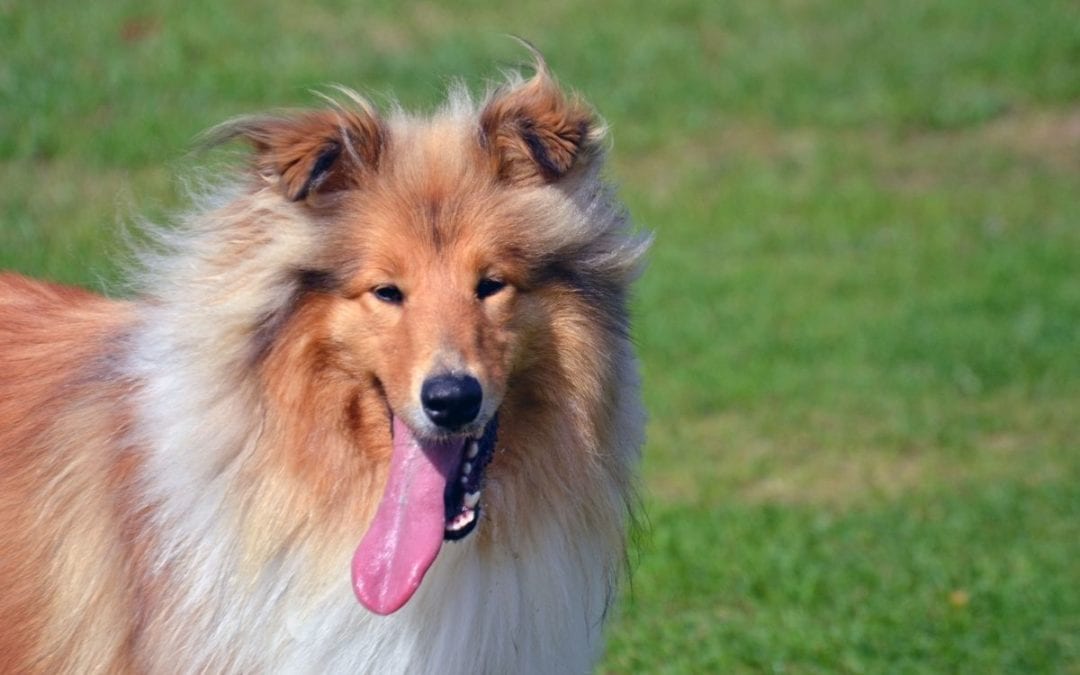
Most people have seen the videos of celebrities or vets getting into a car on a warm day to showcase the dangers of leaving a pet there, even for a few moments. A sunny 70-degree day can become stifling and dangerous inside a car very quickly, but what about other...
by Animal Works - Veterinary Surgery | May 31, 2021 | Blog
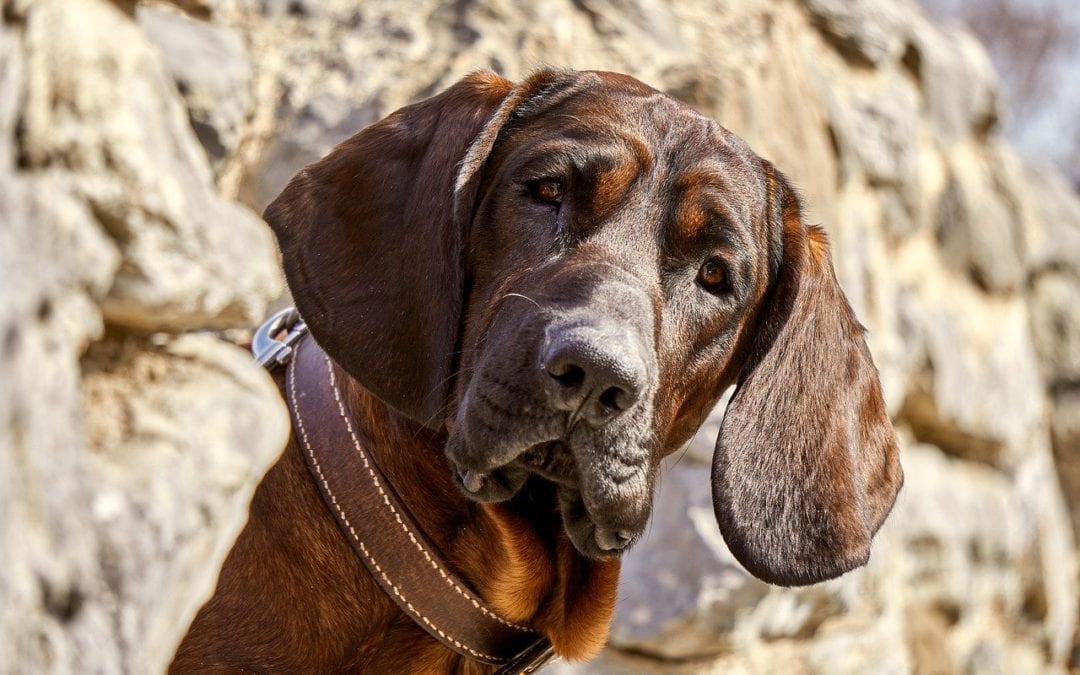
A hematoma is a localized swelling from blood leaking into a confined area or organ, in this case, the ear flap. The hematoma occurs when a blood vessel in the ear bursts and leads to blood stretching and filling the space between the skin and cartilage. Excessive...
by Animal Works - Veterinary Surgery | May 17, 2021 | Blog
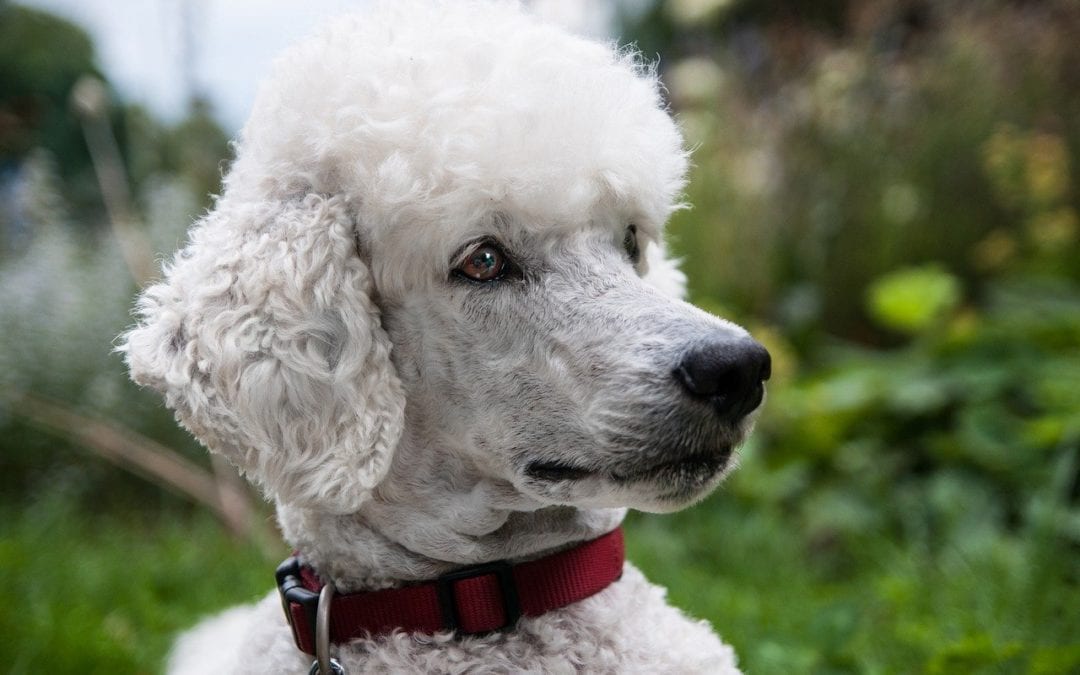
Have you noticed an unusual lump on your furry friend? As pets get older lumps and bumps become more common, but they can occur at any age. This might be scary or alarming, but we at Animal Works are here to talk you through everything you need to know about testing...
by Animal Works - Veterinary Surgery | Apr 25, 2021 | Blog
Does it seem like your pet is straining to urinate? Or have you noticed blood in their urine? Both of these are common signs that your pet may have bladder stones. While your pet may be an expert at hiding that they are in any discomfort, bladder stones in your pet...
by Animal Works - Veterinary Surgery | Apr 5, 2021 | Blog
Spaying and neutering your pets helps keep the unwanted population down and protects them from developing more severe health problems later on in their lives. For unspayed female pets, one common reproductive emergency condition that we see is known as pyometra. Our...
by Animal Works - Veterinary Surgery | Mar 15, 2021 | Blog
Unlike humans, dogs and cats have three eyelids. The third eyelid is technically called the nictitans or nictating membrane, which arises from the inner corner of the eye and covers the eye diagonally. When the third eyelid gland is prolapsed, this is what is commonly...