February is recognized nationwide as Pet Dental Health Month, a time dedicated to raising awareness about the importance of oral health for our pets. While dental disease is incredibly common, it’s also one of the most overlooked aspects of veterinary care—often because problems aren’t visible until they become painful or serious.
At Animal Works, we focus exclusively on veterinary surgery, including dental procedures that require advanced care and anesthesia. This month gives us a great opportunity to explain why dental health is so important, what surgical dental care really involves, and why we choose to keep our pricing consistent all year long.
Why Dental Health Is So Important for Pets
By the age of three, the majority of dogs and cats show signs of dental disease. What often starts as plaque and tartar buildup can progress into gingivitis, periodontal disease, and infection below the gumline.
Dental disease doesn’t just affect the mouth. Untreated oral infections can contribute to:
-
Chronic pain and difficulty eating
-
Tooth loss and jaw damage
-
Bacteria entering the bloodstream
-
Increased risk to the heart, liver, and kidneys
Pets are very good at hiding discomfort. Many continue eating despite significant dental pain, which is why dental disease often goes unnoticed until it requires surgical intervention.
Dental Procedures Are More Than “Just a Cleaning”
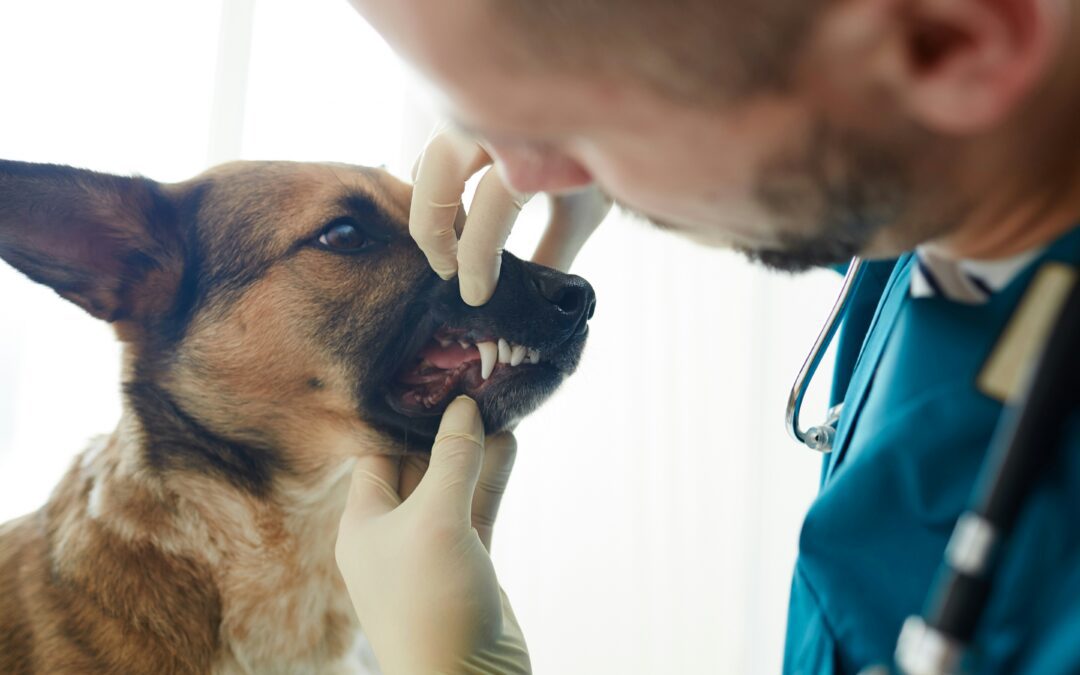
While cleaning is a part of every dental procedure here at Animal Works, we also do a full dental evaluation, digital dental x-rays, and perform extractions as necessary.
Dental procedures often includes:
-
Full anesthesia with continuous monitoring
-
Dental X-rays to evaluate what’s happening below the gumline
-
Surgical extractions of diseased or fractured teeth
-
Pain management before, during, and after the procedure
These procedures require specialized training, surgical expertise, and the same level of precision and safety as any other surgical operation. Dental disease is not cosmetic—it is a medical condition that deserves proper surgical care.
Why We Don’t Offer Dental Discounts in February
Many veterinary clinics offer promotions during Pet Dental Health Month. While those programs work well for some practices, Animal Works takes a different approach.
We believe that essential surgical care should be accessible year-round, not only during one promotional month. Our pricing is carefully structured to be as affordable as possible at all times, for every client, regardless of the calendar.
Rather than increasing prices during the year and offering short-term discounts, we:
-
Keep our fees consistent and transparent
-
Focus on efficiency and surgical excellence
-
We work closely with referring veterinarians to help reduce overall costs, including obtaining existing blood work whenever possible.
This approach allows pet owners to schedule necessary dental surgery when it’s medically appropriate—not when a promotion is available.
Dental disease doesn’t follow a calendar, and neither should care.
Affordability Without Compromising Care
We understand that surgery can be stressful—emotionally and financially. That’s why affordability is built into our mission, not limited to a single month.
By specializing exclusively in surgery, Animal Works is able to:
-
Streamline procedures
-
Focus resources where they matter most
-
Deliver high-quality surgical outcomes at fair, consistent pricing
Our goal is to ensure pets receive the care they need when they need it, without sacrificing safety, pain control, or surgical standards.
Dental Health Awareness Matters—All Year Long
Pet Dental Health Month is an important reminder to pay attention to oral health, but the conversation shouldn’t end when February does. If your veterinarian has identified dental disease that requires surgical treatment, addressing it sooner rather than later can significantly improve your pet’s comfort, health, and quality of life.
At Animal Works, we’re proud to support pets and the veterinarians who care for them by providing skilled, compassionate surgical dental care—every month of the year.
If you have questions about a referred dental procedure or want to better understand what surgical dental care involves, we’re always here to help.