
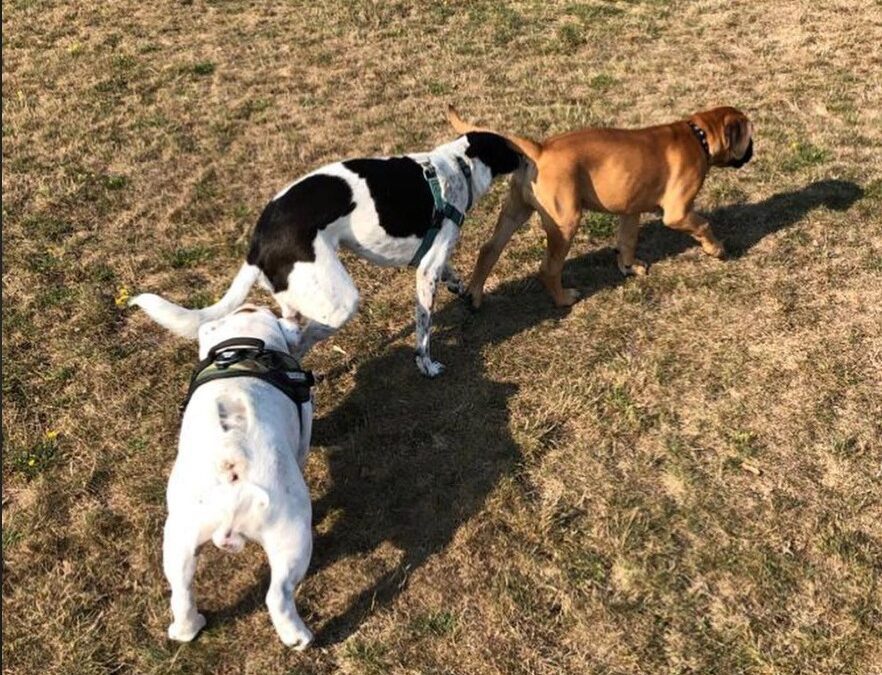
Let’s get right to the bottom of this. You’re walking your dog, minding your own business, when suddenly—bam—your pup dives nose-first into another dog’s behind like it’s the best thing since bacon flavored treats. Embarrassing? Sure. Confusing? Definitely. But if animals have such a powerful sense of smell, why do they need to get that close? Turns out, there’s a very good (and very scientific) reason for all this butt-sniffing behavior. So buckle up, we’re heading into the fascinating world of scent based communication and behind the scenes biology.
Super Sniffers at Work
First, let’s establish one thing: dogs (and cats, too) rely on their noses for a big chunk of their sensory world. A dog’s sense of smell is estimated to be between 10,000 to 100,000 times more sensitive than ours, and cats are not too far behind. Now, you’d think with such powerful noses, they could pick up scents from across the room like little furry detectives. And they can, but butt sniffing is a special case. It’s like reading someone’s ID badge, but with smell. It’s not just about smelling “dog” or “cat” , but rather it’s about gathering biographical data.
What’s in a Butt?
Animals have something called anal sacs or anal glands, located just inside their… well, you know. These glands produce a unique chemical cocktail that contains information about the animal’s age, sex, diet, mood, reproductive status, and even health. It’s like their personal LinkedIn, Facebook, and medical chart all rolled into one whiff. When one dog sniffs another’s behind, it’s essentially saying:
“Hello, new friend. I see you’re a 3-year-old neutered male who recently had chicken for dinner and might be a little nervous about this interaction. Lovely to meet you.”

But… Why So Close?
Despite their powerful noses, to get the most accurate reading, pets need to get right up in there. Think of it this way: you can smell cookies baking from across the house, but if you want to know exactly what kind they are, you go to the oven and stick your face in. It’s not just the strength of the scent—it’s the location and freshness of the scent that matters. Anal glands aren’t exactly broadcasting over Wi-Fi.
It’s Not Rude, It’s Ritual
In the animal kingdom, this butt-sniffing behavior is as polite as a handshake or a hug. It’s a social greeting, a way to size each other up, and sometimes even a peace offering. Dogs may even take turns sniffing, like a courteous conversation:
“After you.”
“No no, I insist—after you.”
Cats are a little more reserved about it, but the idea is the same. They may greet each other nose-to-tail, with a brief sniff, then decide whether a friendship—or a swat—is in order.
Should You Be Worried?
Nope. As weird as it seems to us, this behavior is totally normal and healthy. In fact, preventing your dog from sniffing can actually cause social confusion or tension, especially when meeting new dogs. Let them do their thing (within reason—maybe not during dinner parties), and you’ll likely avoid more serious confrontations.
Final Thoughts from the Tail End
So, the next time you catch your pet going nose-first into another’s caboose, don’t be grossed out. Be impressed. You’re witnessing one of the most ancient, efficient, and frankly hilarious communication tools in the animal kingdom.
At Animal Works, we believe in celebrating the weird, wild, and wonderful ways our furry companions connect with the world—and each other.
Animal Works Veterinary Surgery
Fort Collins
970-694-2625