It’s usually associated with cold weather, short days, and the urge to stay wrapped in a blanket with your dog curled up right next to you.
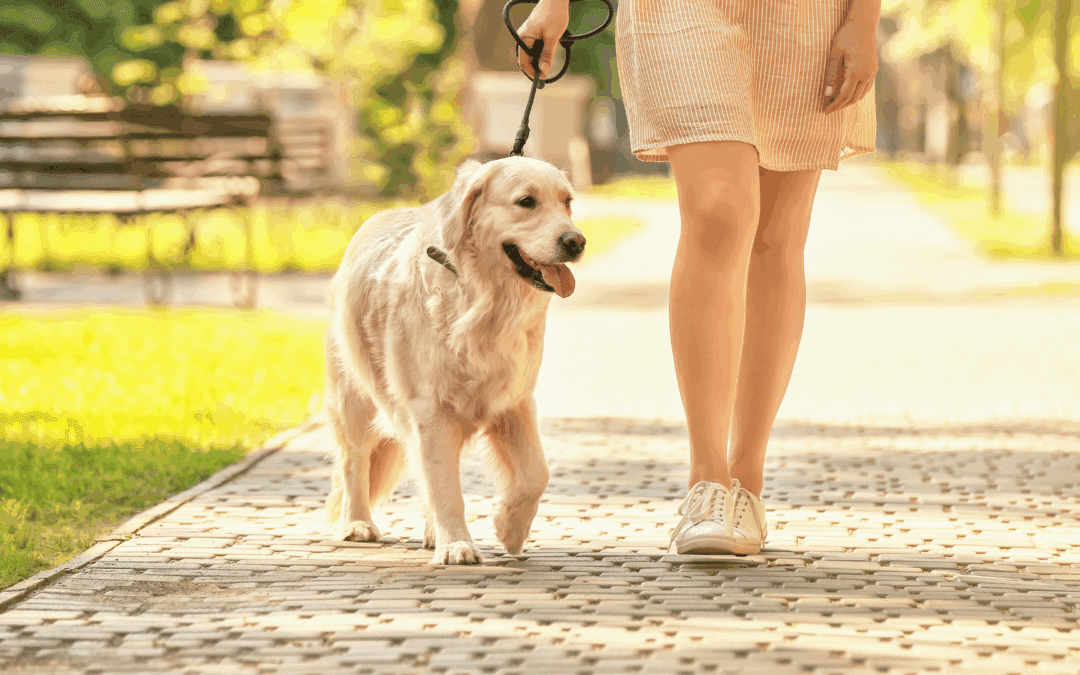
But this year, we’ve been lucky with some surprisingly nice winter days — and that makes January the perfect time to celebrate Walk Your Dog Month. Because walking your dog isn’t just about exercise.
It’s about health, routine, and connection — for both of you.
Walking Is Good Medicine (For Dogs and Humans)
For dogs, regular walks help:
- Maintain a healthy weight
- Support joint mobility and muscle strength
- Improve digestion and bowel regularity
- Reduce anxiety and pent-up energy
- Provide mental stimulation through new sights and smells
Daily walks can:
- Improve cardiovascular health
- Reduce stress and improve mood
- Support weight management
- Encourage consistency and routine
- Give you uninterrupted bonding time with your pet
Sometimes the best thing we can do for ourselves is leash up the dog and head outside.
Consistency Matters More Than Distance
You don’t need long hikes or marathon walks to see benefits.
A consistent, daily walk — even a short one — can make a meaningful difference in your dog’s physical and mental health. Regular movement helps keep joints lubricated, supports healthy weight, and keeps bathroom habits predictable (which your yard, floors, and carpets will appreciate).
Think routine over perfection.
Walk Smart: Safety First
A good walk is a safe walk. A few reminders as you head out:
- Use proper gear: A well-fitted collar or harness and a secure leash help prevent injuries and escapes.
- Be visible: Winter days mean lower light. Reflective gear or light-colored leashes can help keep both of you seen.
- Mind the temperature: Even on warmer winter days, pavement can be cold. Watch for limping, lifting paws, or hesitation.
- Hydration matters: Longer walks still require water, especially for active dogs.
Don’t Forget the Poop Bag (Yes, This Matters)
Always carry a poop bag. Not just for courtesy, but for health.
Regular bowel movements can give you early clues about your dog’s digestion, hydration, and overall wellness. Changes in stool consistency or frequency can be important signals — and you’ll only notice them if you’re paying attention.
Plus, cleaning up after your dog keeps trails, sidewalks, and neighborhoods welcoming for everyone.
Make It Enjoyable
Let your dog sniff.
Vary your route occasionally.
Talk to them.
Let the walk be their time too.
A walk shouldn’t feel like a chore — it should feel like shared time.
We’re Here to Help Every Step of the Way
If you notice your dog slowing down, limping, struggling with weight, or showing discomfort during or after walks, don’t ignore it. Small changes can signal bigger issues, and early care makes a difference.
At Animal Works, our surgical and dental care is all about helping pets stay comfortable so you can keep sharing life’s simple moments together.
Here’s to fresh air, wagging tails, and healthier habits this January.
Happy Walk Your Dog Month. 🐶✨