A Guide for Pet Parents from Animal Works
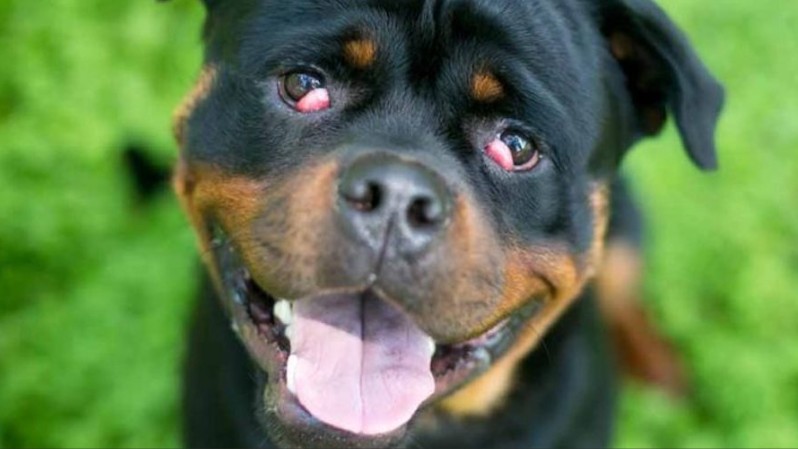
If you’ve noticed a pink or red swelling in the corner of your dog’s eye that looks like a small cherry, you’re likely seeing a condition commonly known as cherry eye. While it can look alarming, the good news is that it’s treatable — especially when addressed early.
At Animal Works, we believe informed pet parents make the best decisions. Here’s everything you need to know about cherry eye, from causes and symptoms to treatment and prevention.
What Is Cherry Eye?
Cherry eye occurs when the gland of the third eyelid (also called the nictitating membrane) prolapses, or slips out of its normal position.
Dogs have a third eyelid that contains a tear-producing gland responsible for about 40–50% of the eye’s total tear production. When the connective tissue holding that gland in place weakens, the gland can pop out, creating a red, swollen mass in the inner corner of the eye.
What Causes Cherry Eye?
Cherry eye is usually caused by:
-
Weak connective tissue (often genetic)
-
Breed predisposition
-
Inflammation
-
Immune-related factors
Breeds More Commonly Affected
Cherry eye is more common in certain breeds, including:
-
Bulldogs
-
Cocker Spaniels
-
Beagles
-
Lhasa Apsos
-
Shih Tzus
-
Boxers
-
Boston Terriers
It typically appears in young dogs under two years of age, though it can develop at any age.
Signs & Symptoms
The most obvious sign is:
-
A pink or red round mass in the inner corner of the eye
Other symptoms may include:
-
Excessive tearing
-
Squinting
-
Eye discharge
-
Pawing at the eye
-
Dry eye (if untreated long-term)
Even if your dog doesn’t seem bothered, cherry eye should always be evaluated by a veterinarian. Left untreated, it can lead to chronic irritation or dry eye (keratoconjunctivitis sicca).
Is Cherry Eye Painful?
It can be uncomfortable, especially if the gland becomes inflamed or irritated. Some dogs act completely normal, while others may rub their face or squint.
Regardless of visible discomfort, early treatment helps prevent long-term complications.
How Is Cherry Eye Treated?
1. Medical Management (Early Cases)
In mild or very early cases, your veterinarian may prescribe:
-
Anti-inflammatory eye drops
-
Lubricating drops
-
Antibiotic drops (if infection is present)
Sometimes the gland can temporarily return to position with medication — but recurrence is common.
2. Surgical Correction (Most Effective Option)
Surgery is the most reliable and recommended treatment.
While surgical repositioning has a high success rate, there is a chance the gland can prolapse again, especially in young dogs or certain breeds. If recurrence happens, a second corrective procedure may be recommended. Preserving the gland is always our priority to maintain healthy tear production and protect long-term eye health.
Important:
The gland should NOT be removed unless absolutely necessary.
Years ago, removal was common. However, we now know that removing the gland significantly increases the risk of permanent dry eye. The preferred approach today is a surgical repositioning procedure that tucks the gland back into place and preserves tear production.
Surgical correction:
-
Is typically a same-day procedure
-
Requires short-term use of an e-collar
-
Involves eye drops during recovery
What Happens If Cherry Eye Isn’t Treated?
If ignored, cherry eye can lead to:
-
Chronic irritation
-
Infection
-
Corneal ulcers
-
Permanent dry eye
-
Vision complications
Early intervention leads to better outcomes and protects your dog’s long-term eye health.
Recovery & Aftercare
After surgery, you can expect:
-
Mild swelling for several days
-
An e-collar to prevent rubbing
-
Prescribed eye drops for 1–2 weeks
Most dogs recover quickly and comfortably with proper care.
Can Cherry Eye Be Prevented?
Because it’s often genetic, cherry eye cannot always be prevented. However:
-
Early evaluation at the first sign of redness
-
Avoiding eye trauma
-
Responsible breeding practices
…can help reduce risk and complications.
If one eye develops cherry eye, the other eye may be at risk in the future, so continued monitoring is important.
Final Thoughts
Cherry eye may look dramatic, but it’s a common and treatable condition. With prompt veterinary care and proper management, most dogs return to normal life quickly and comfortably.
At Animal Works, our surgical team is dedicated to correcting cherry eye and preserving your dog’s natural tear production. If you have concerns, don’t delay — book a surgical evaluation and take the first step toward lasting relief.