At Animal Works, one of the most common health issues we see in both dogs and cats is dental disease. In fact, studies show that most pets over the age of three have some degree of periodontal disease, often without their owners realizing it.
Dental disease isn’t just about bad breath. Left untreated, it can lead to pain, tooth loss, infection, and even affect important organs such as the heart, liver, and kidneys.
Understanding the stages of dental disease can help you recognize problems early and keep your pet healthy and comfortable for years to come.
What Is Periodontal Disease?
Periodontal disease is an infection and inflammation of the tissues surrounding the teeth. It begins when plaque—a sticky film of bacteria—accumulates on the teeth. If plaque is not removed through brushing and professional dental care, it hardens into tartar.
Over time, bacteria spread below the gumline, causing damage to the gums, ligaments, and bone that support the teeth.
Signs Your Pet May Have Dental Disease
Many pets hide dental discomfort remarkably well. Watch for these common signs:
- Bad breath
- Yellow or brown tartar buildup
- Red or swollen gums
- Drooling more than usual
- Difficulty chewing
- Dropping food while eating
- Pawing at the mouth
- Loose or missing teeth
- Decreased appetite
- Facial swelling
If your pet is showing any of these signs, a dental examination is recommended.
The Four Grades of Dental Disease
Veterinarians classify periodontal disease into four stages based on the severity of damage.
Grade 1: Gingivitis
What happens:
- Mild redness and inflammation of the gums
- Plaque accumulation begins
- No permanent damage to supporting structures
What you may notice:
- Mild bad breath
- Slight redness along the gumline
Good news:
This stage is completely reversible with professional cleaning and improved home dental care.
Grade 2: Early Periodontal Disease
What happens:
- Tartar accumulation increases
- Inflammation extends below the gumline
- Up to 25% loss of supporting structures around the tooth
What you may notice:
- More noticeable bad breath
- Red, irritated gums
- Yellow or brown tartar buildup
Treatment:
Professional dental cleaning under anesthesia, dental radiographs, and a home care plan are typically recommended.
Grade 3: Moderate Periodontal Disease
What happens:
- Significant infection and inflammation
- 25%–50% loss of tooth support
- Bone loss begins to occur
What you may notice:
- Severe bad breath
- Bleeding gums
- Pain while eating
- Gum recession
- Loose teeth
Treatment:
This stage often requires advanced dental treatment, including deep cleaning below the gumline and possible tooth extractions.
Grade 4: Advanced Periodontal Disease
What happens:
- More than 50% loss of supporting structures
- Severe bone destruction
- Multiple loose or infected teeth
What you may notice:
- Extreme bad breath
- Difficulty eating
- Tooth loss
- Facial swelling
- Significant oral pain
Treatment:
Extensive dental treatment and extractions are frequently necessary to eliminate pain and infection.
Why Dental X-Rays Matter
One of the most important tools in veterinary dentistry is dental radiography.
Approximately 60% of a tooth lies below the gumline, where problems cannot be seen during a visual examination alone. Dental X-rays help identify:
- Bone loss
- Tooth root infections
- Abscesses
- Fractured teeth
- Tooth resorption in cats
- Hidden periodontal disease
This is why professional dental procedures involve much more than simply cleaning visible tartar.
Preventing Dental Disease
The best treatment is prevention.
Here are a few ways to help maintain your pet’s oral health:
Brush Regularly
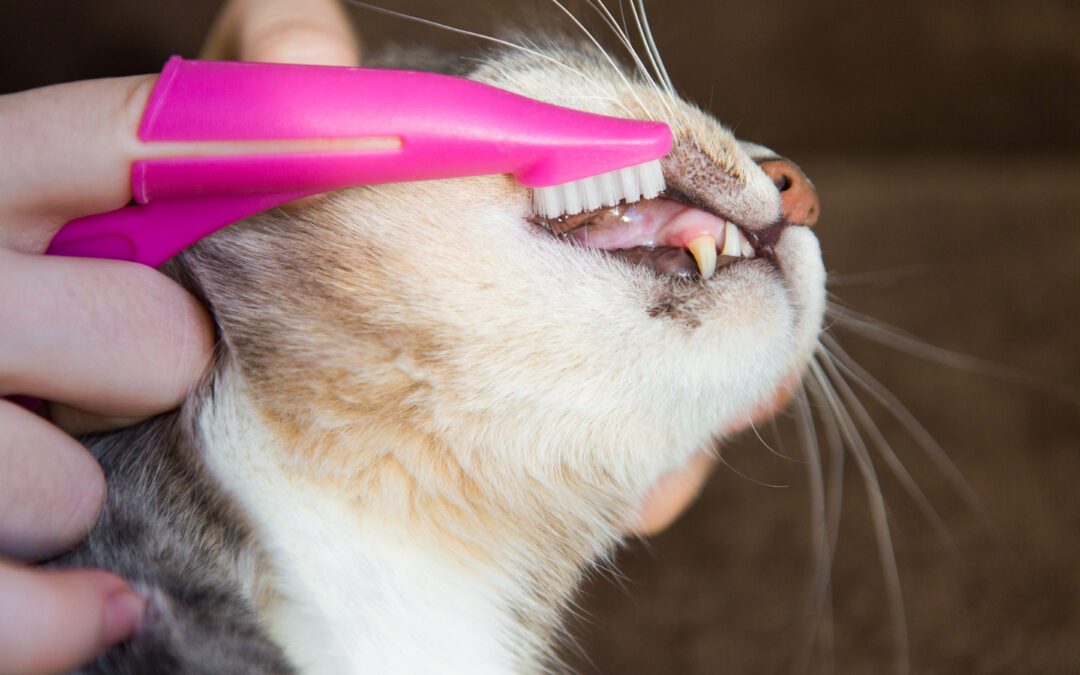
Daily brushing is the gold standard for preventing plaque buildup.
Use Veterinary-Approved Dental Products
Dental chews, treats, water additives, and diets approved by the Veterinary Oral Health Council (VOHC) can help reduce plaque and tartar.
You can browse dental health products recommended by our team in our online store:
Animal Works Dental Health Store
Schedule Regular Dental Exams
Routine wellness visits allow your veterinarian to detect problems before they become painful or expensive to treat.
Professional Dental Cleanings
Many pets benefit from professional dental cleanings throughout their lives, depending on age, breed, and individual risk factors.
Small Dogs and Cats Are Especially at Risk
Certain pets are more prone to dental disease, including:
- Small-breed dogs
- Brachycephalic breeds (short-nosed breeds)
- Senior pets
- Cats
- Pets with crowded teeth
These pets often develop dental disease earlier and may require more frequent monitoring.
A Healthy Mouth Means a Healthier Pet
Dental disease is one of the most preventable health problems we see, yet it often goes unnoticed until significant damage has already occurred.
Regular dental evaluations, professional cleanings, and good home care can dramatically improve your pet’s comfort, health, and quality of life.
If you’re concerned about your pet’s dental health or would like to schedule a dental examination, contact us today. Our team is here to help keep your pet’s smile healthy and pain-free for years to come.